Ever wondered how often you should change your oil? It depends on a few things: your car, how you drive, the oil you use, and your car's overall health. This guide will help you sort out the important stuff, spot the signs of old oil, and set up a maintenance schedule that keeps your engine humming for a long time.
If you need more help with taking care of your vehicle, check out our auto maintenance services and auto repair options. Regular service isn't just a routine chore; it's a simple way to make your engine last longer, save on gas, and prevent surprises on the road. For folks in Greenville looking for solid advice, our local shop has you covered, from oil changes to full diagnostics.
According to the U.S. Department of Energy, engine oil is crucial for cutting down friction and boosting efficiency. So, oil changes aren't just about swapping out old fluid; they're directly tied to how well your car runs. Let's dive into the usual intervals, how to tweak them for your driving conditions, and when to trust your owner's manual over other advice.
Why Oil Changes Are a Big Deal
Oil Keeps Your Engine Cool and Protected
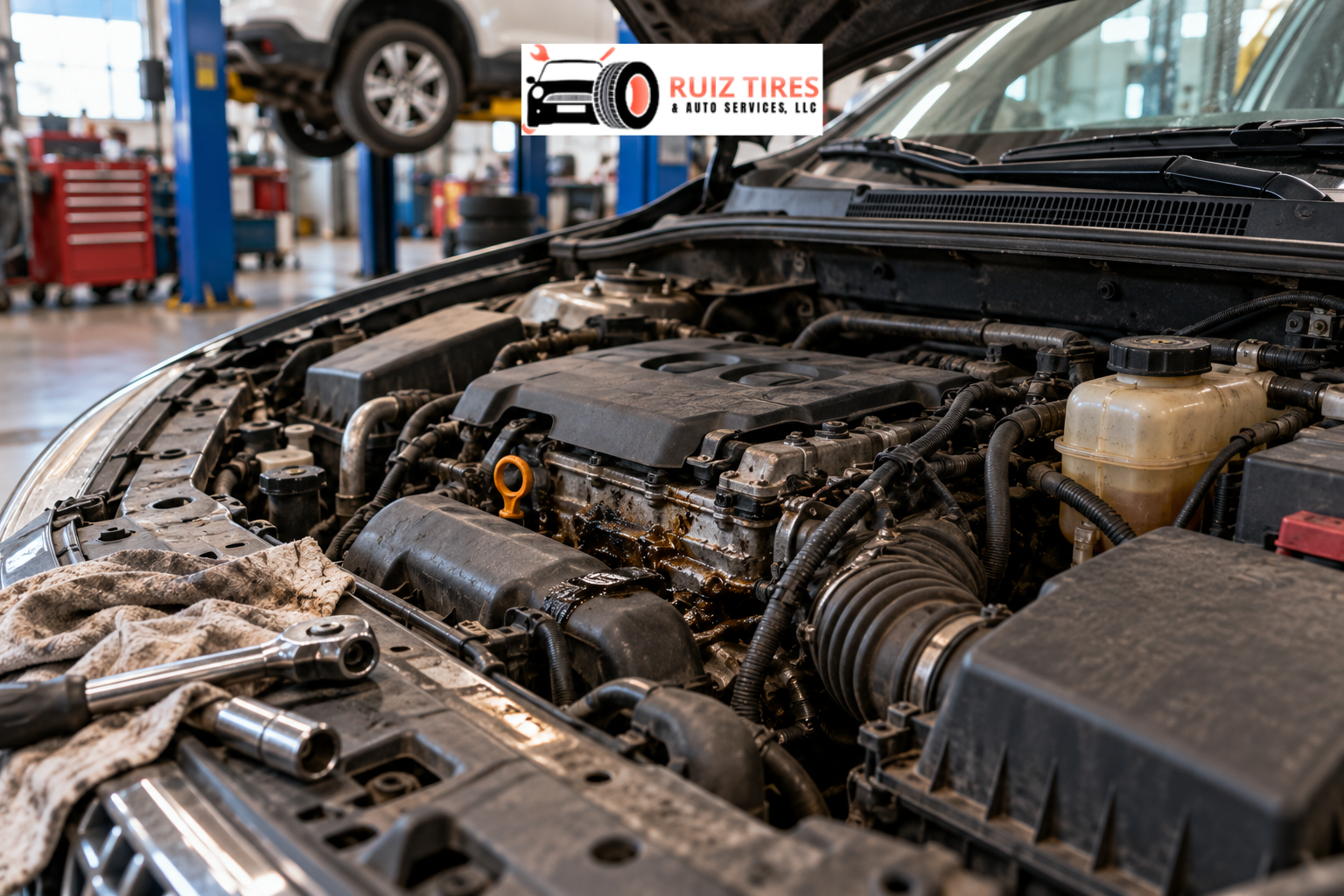
Engine oil does a lot: it lubricates moving parts, cuts down on metal-on-metal contact, and helps remove heat from vital components. But over time, oil gets dirty and breaks down, filled with grime, moisture, and tiny metal particles. When that happens, its protective power fades. Letting old oil sit too long can lead to more wear and higher repair costs.
This is why oil changes are seen as preventative maintenance, not just a fix. Keep up with services, and you might avoid costly repairs down the road. If you notice warning signs like rough idling or dashboard alerts related to oil, it might be time to schedule a repair before a minor issue turns major.
Fresh Oil Means Better Performance
Clean oil helps your engine run smoothly, and a smooth engine can mean better fuel efficiency. Dirty oil makes engine parts work harder, which can lower performance and even cause the engine to run hotter. Even if your car seems okay, bad oil can quietly cause damage.
The National Highway Traffic Safety Administration highlights that regular maintenance is key to vehicle safety and reliability. While oil changes might seem basic, they're a part of a bigger plan to keep your ride reliable. For businesses with multiple vehicles, the same rules apply, and structured fleet services can help manage that.
The Old 3,000-Mile Rule vs. Modern Advice
Why the Old Rule Still Pops Up
For ages, drivers heard they needed to change their oil every 3,000 miles. This idea stuck around because older engines and conventional oils needed more frequent servicing. These days, many cars use advanced synthetic oils and are built to last longer between changes. So, the 3,000-mile rule is often outdated for modern vehicles.
But it’s not entirely worthless. It can still be a good baseline for older cars, heavy-duty use, or tough driving conditions. If your car is older, burns oil, or handles tough conditions, shorter intervals might still be smart. The goal is to not just guess but to match the service to the vehicle's real needs.
Why Manufacturer Guidance Is Gold
Your owner's manual is the best source for oil change schedules. Car makers test their engines thoroughly and recommend intervals based on the design, type of oil, and real-world conditions. Some cars need oil changes every 5,000 miles, while others can go 7,500, 10,000, or even beyond in ideal situations. Following the manual is usually the safest and most accurate move.
If you're unsure about how to read the maintenance guide, our team can help you sort out the recommended service plan and decide if your driving habits call for shorter intervals. Often, simple questions about your mileage, commute, and road conditions can help figure out if the standard interval is right for you.
How Driving Habits Affect Oil Change Timing
Short Trips and City Traffic
Cars that mostly handle short commutes, errands, and lots of stop-and-go traffic often need oil changes more often than those driven on highways. This is because the engine might not heat up enough to burn off moisture and grime. Over time, this type of driving creates more sludge and wears out the oil faster than expected.
Frequent idling and constant braking also stress the engine. If most of your driving is in the city, pay attention to severe-service recommendations in your owner’s manual. These conditions are common for many drivers, which is why regular maintenance checks are so important.
Hot Weather, Towing, and Heavy Loads
Extreme temperatures and heavy use can shorten oil life. Towing a trailer, carrying heavy loads, or driving in constant heat increases engine stress and heat. In these cases, oil breaks down faster, so it should be checked more often. If you regularly handle this kind of work, don’t rely on a standard interval.
The American Petroleum Institute offers guidance on oil performance standards that can help you understand why oil type matters so much. If your vehicle takes on demanding tasks, pairing the right oil with professional auto maintenance can make a big difference in long-term reliability.
Highway Driving Can Extend Oil Life
Drivers who mostly stick to highways often see longer oil life than those who drive in the city. Steady speeds and fully warmed engines are easier on oil than lots of short trips. Still, highway driving doesn’t mean you can skip regular oil changes. Oil ages, picks up grime, and eventually loses its oomph.
The rule here is to think of highway driving as "less severe," not "maintenance-free." It might allow for longer intervals, but you should still pair it with regular checks. This is especially true if your car has high mileage or if you notice changes in engine sound, fuel economy, or oil color.
Different Types of Oil and What They Mean for You
Conventional Oil
Conventional oil is refined from crude petroleum and has been used in cars for ages. It's usually less costly than synthetic oil but tends to break down faster under heat and stress. Drivers with older engines or simple commuting needs might still use conventional oil, but they may need to change it more often.
If your manual allows for conventional oil and your driving conditions aren't too harsh, it can be an affordable option. Just remember that cost should be weighed against the protection your engine needs. Opting for the cheapest oil without considering total maintenance might lead to higher costs later.
Synthetic Oil
Synthetic oil is engineered for better performance, temperature stability, and lasting protection. It’s often recommended for newer cars, turbocharged engines, and drivers who want extended oil change intervals. While synthetic oil usually costs more upfront, it offers better value because of its added protection and longer life.
Many modern vehicles are designed around synthetic formulations. That’s why following the manufacturer’s recommendations is important. The right oil can help your engine run cleaner, cooler, and consistently.
High-Mileage Oil
High-mileage oil is made for vehicles with more wear and may include additives that help condition seals and reduce leaks. It can be helpful for older cars starting to show their age. If your car has over 75,000 or 100,000 miles, this oil might be worth discussing during service.
Not every high-mileage car needs this, but it can be a smart choice sometimes. A professional inspection can help you decide if your engine would benefit from a switch. Personalized recommendations are often more useful than following a generic schedule.
Signs You Might Need an Oil Change Soon
Dashboard Lights and Warnings
The most obvious sign is the oil warning light or check engine light. Don’t ignore these alerts. They might mean low oil, poor pressure, or another issue needing attention. If the light is on, don’t delay service; get the car checked out soon.
Even if the car seems fine, dashboard warnings can point to a problem already affecting engine health. Delaying too long can turn manageable service into a bigger repair. A quick inspection is often cheaper than a big engine failure.
Dark, Dirty, or Gritty Oil
Fresh oil is usually amber and smooth, while old oil becomes darker and might feel gritty. Some darkening is normal, but thick or contaminated oil means it's time for a change. Checking the dipstick regularly can help you understand oil condition.
Oil that smells burnt or looks unusually thick is another red flag. If you're unsure, let a technician check it. A simple inspection can confirm if a change is due or if another issue is affecting the engine.
Unusual Noises, Smoke, or Rough Performance
If your engine sounds louder than usual, idles roughly, or produces smoke, old oil might be part of the problem. These symptoms can also point to other issues, so a full diagnostic is often helpful. If performance changes suddenly, don’t assume it’s just the oil.
Professional diagnostics can identify whether the issue is with lubrication, sensors, leaks, or another system. If service is needed, a reliable auto repair team can quickly find the source and recommend the right fix.
Building a Solid Oil Change Schedule
Start with Your Owner’s Manual
Your owner’s manual is the first place to check for recommended mileage, time intervals, and service conditions for your vehicle. Some manufacturers suggest changing oil every six months, even with low mileage, because oil ages over time too. This detail is easy to miss, but it matters.
Keeping a written or digital maintenance record can make life easier. Knowing the exact date and mileage of your last oil change helps you plan instead of reacting after a problem appears. This also boosts resale value because a well-documented service history builds buyer confidence.
Adjust the Schedule Based on Your Driving
Think about how often you drive, how far your trips are, and whether your vehicle regularly sees tough conditions. If your commute is short and you spend a lot of time in traffic, you may need more frequent service than the manual’s best-case interval. If you mainly drive on highways and keep your engine in good shape, you might follow the longer schedule.
For fleet operators, this step is even more important because vehicles are used differently across a business. A structured maintenance plan helps avoid surprise downtime and keeps service more predictable. Our fleet services are designed for that kind of consistency.
Set Reminders and Check Regularly
Oil change reminders can come from dashboard systems, phone apps, calendars, or maintenance stickers. The method matters less than the habit itself. The key is to stay consistent and not push the interval too far because you're busy.
It's also wise to check the oil level occasionally between services. A vehicle might have adequate oil life left but be low on oil due to consumption or leaks. Catching that early can prevent serious damage and keep the car running safely.
What Happens If You Wait Too Long?
More Engine Wear
Old oil can't lubricate as well, which increases friction between moving parts. Over time, that friction creates wear, heat, and deposits that reduce engine efficiency. Damage might not happen overnight, but it can pile up quickly if ignored.
This is why preventive maintenance is valuable. A delayed oil change today might lead to a big repair next month. Engines are costly, and regular service is a small price compared to major damage.
Sludge and Deposit Buildup
When oil breaks down, sludge can form inside the engine. This thick residue can block passages, reduce lubrication, and create tough-to-fix problems. Sludge buildup shows why oil changes shouldn't be delayed too long.
In bad cases, sludge can cause overheating, reduced oil flow, and internal damage. Once deposits start to build, cleaning them might require more extensive service. Staying current with oil changes is easier and cheaper.
Rising Repair Costs
A missed oil change might not show immediate symptoms, but it can shorten the life of several engine parts. That can lead to valve train wear, overheating, or even complete engine failure in extreme situations. The longer maintenance is delayed, the more expensive the outcome can become.
If you're behind on service, don't panic. Schedule an inspection, discuss your current mileage and oil condition, and move forward with a realistic plan. A trusted service provider can help you recover without making assumptions.
Common Oil Change Questions
Is Mileage the Only Thing to Track?
Mileage is important, but not the only factor. Time matters too, because oil ages even if the vehicle is parked often. Many drivers think they’re safe because they haven’t hit the mileage limit, but months of sitting and short trips can still degrade oil quality.
A better approach is to track both mileage and time. If your vehicle is driven lightly but sits for long periods, seasonal changes and condensation can affect oil health. That’s why maintenance schedules often use both miles and months.
Should I Stick to One Oil Type?
Not necessarily. The right oil depends on your car’s requirements, age, and usage. Some vehicles do best with full synthetic oil, while others are fine with conventional or high-mileage formulations. The owner’s manual and a technician’s recommendation should guide the choice.
Switching oil types isn’t automatically a problem, but it should be done with purpose. If your engine has worn seals or you’re adding towing to your routine, a different formulation might help. Consistent quality matters more than brand loyalty alone.
How Do I Know If My Mechanic’s Advice Is Right?
A good shop should explain why a certain interval makes sense for your car instead of just pushing a generic schedule. They should consider your mileage, oil type, driving habits, and any mechanical concerns. Clear communication is one of the best signs you’re getting honest advice.
If you want service from a team that values transparency, our Greenville auto care approach is all about helping drivers make informed decisions. We believe maintenance should be straightforward, not confusing.
Final Tips for Greenville Drivers
Follow the Manual, but Adjust to Real Life
The simplest answer to how often you should get your oil changed is this: follow your owner’s manual, then adjust based on your driving habits and vehicle condition. There’s no single number that works for every driver. Short trips, heavy loads, older engines, and tough weather can all shorten the interval.
For most drivers, a balanced maintenance routine is the best plan. That means checking oil regularly, staying consistent with service, and paying attention to warning signs. A little attention now can save a lot of money later.
Pair Oil Changes with Broader Maintenance
Oil changes work best when they’re part of a complete maintenance strategy. Tire checks, brake inspections, fluid top-offs, and routine diagnostics all help your vehicle stay dependable. If you’re already in for service, it often makes sense to review the rest of the car at the same time.
That’s where a one-stop shop can make life easier. Whether you need maintenance, diagnostics, or more involved repairs, a knowledgeable team can help you prioritize what matters most. For regular service and dependable support, our maintenance team is ready to help.
Don’t Let Small Issues Linger
If you can’t remember the last oil change, now is the right time to check. Review your records, inspect the dipstick, and compare your mileage to the manufacturer’s guidance. If anything seems unclear, schedule a professional inspection before driving farther.
At Ruiz Tires & Auto Services, we help drivers make practical maintenance decisions that protect both the engine and the budget. If your vehicle is due for service, contact us to schedule an oil change or a full inspection. Keeping your car healthy starts with simple habits, and oil changes are one of the most important habits of all.
Ready to stay ahead of engine problems? Book your next service with Ruiz Tires & Auto Services and let our experienced team help you build a maintenance plan that keeps your vehicle running strong.