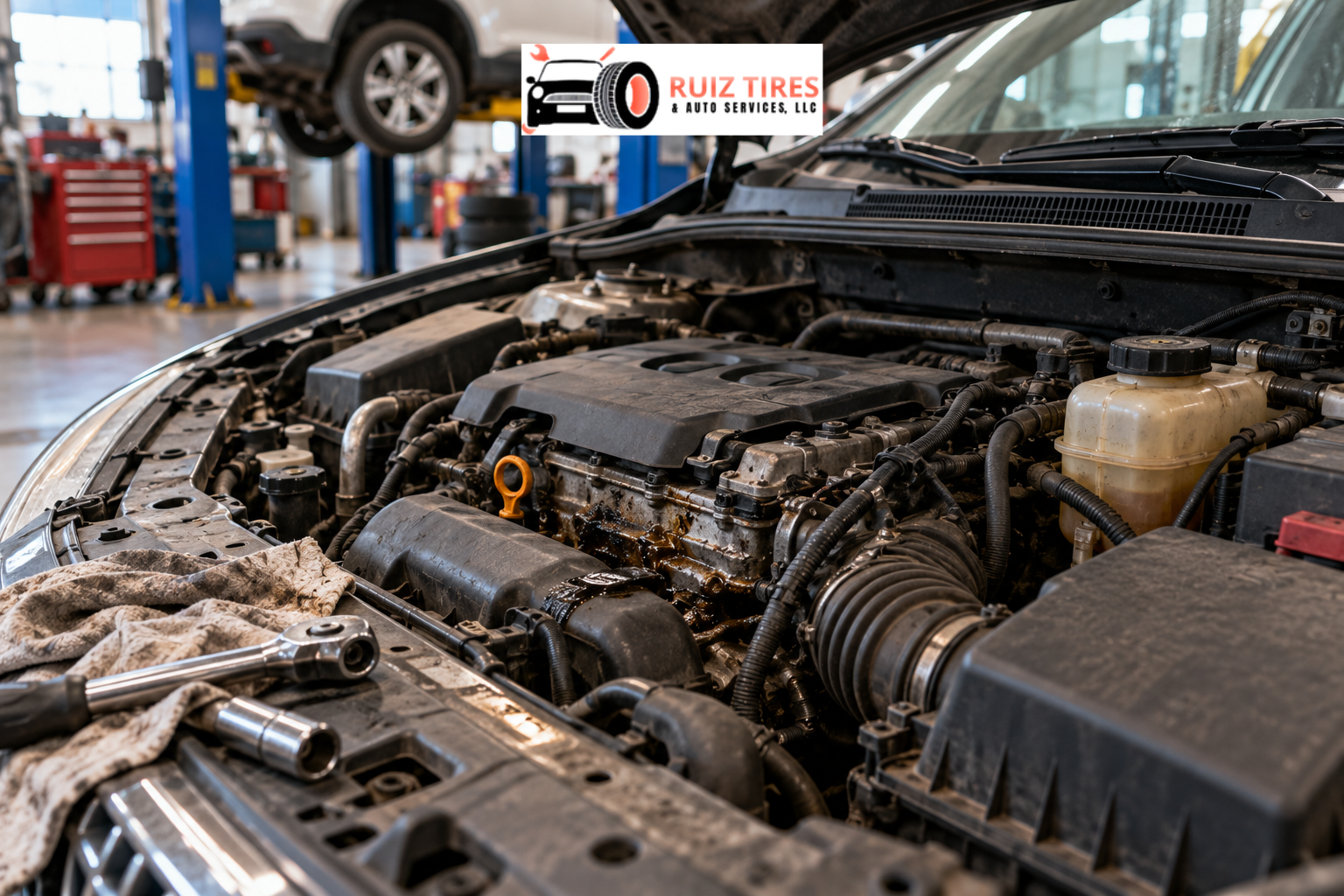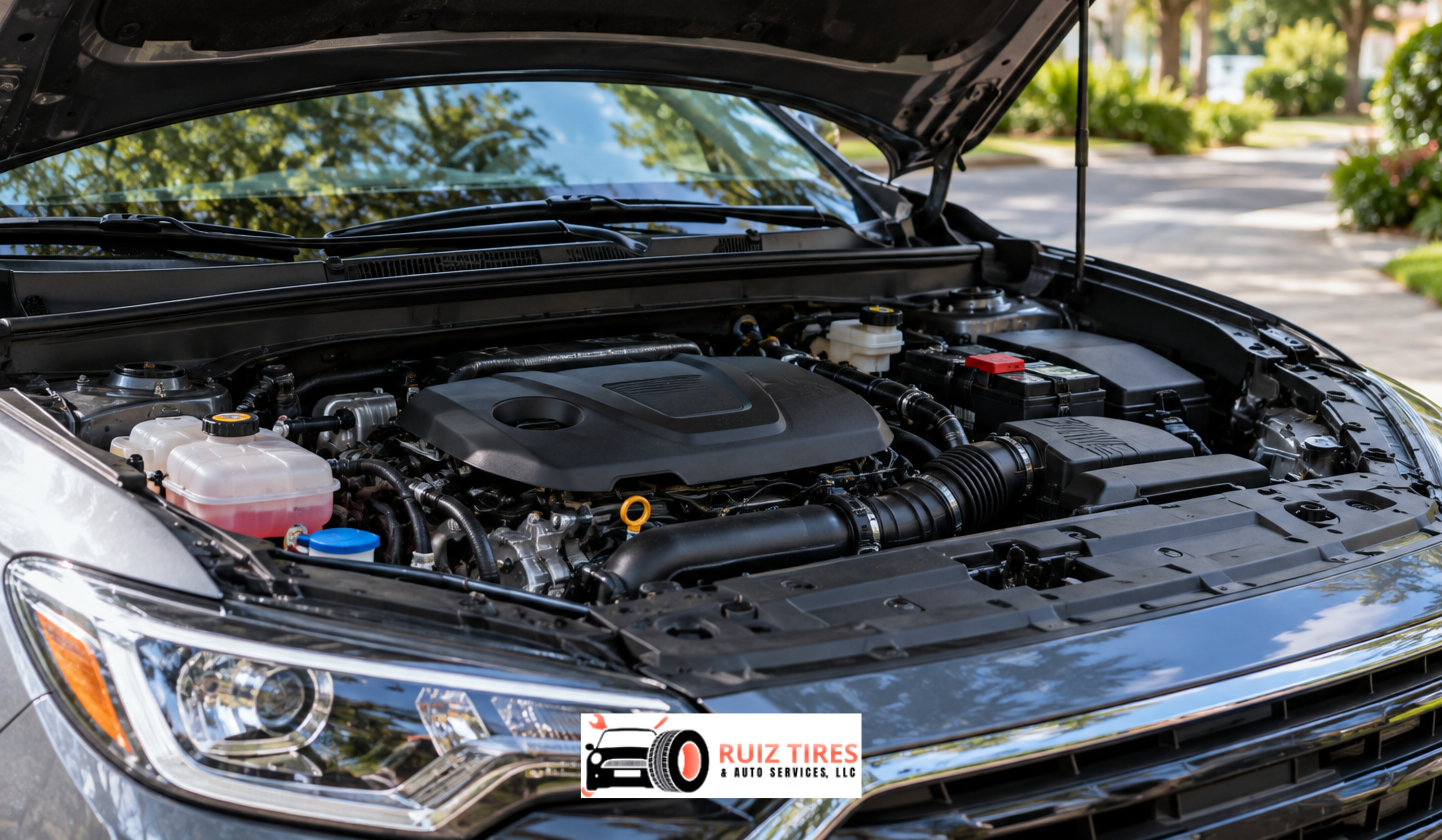
Heading out for a road trip is always a thrill, but before you pack the snacks and get your playlist ready, your car needs some love too. A bit of prep can mean the difference between a smooth journey and an unexpected pit stop. If you want peace of mind before you hit the road, consider scheduling some auto maintenance and a thorough checkup. It's one of the best first steps you can take.
Long drives put extra pressure on your engine, tires, brakes, cooling system, and battery. Even if your car handles daily commutes fine, highway travel can reveal hidden issues. In this guide, we’ll cover how to prep your car, what to check before you go, and when to call in the pros, so your road trip starts and ends on a high note.
Why Road Trip Prep is Important
Small Issues Can Grow on Long Drives
A car that seems "okay" around town might struggle once you add hours of highway speeds, heavy luggage, and hotter temperatures. Worn belts, low fluids, uneven tire wear, or an old battery can become big problems once the miles start adding up. That's why a pre-trip inspection isn't just a good idea; it's a smart way to protect your time, budget, and safety.
The National Highway Traffic Safety Administration stresses the importance of vehicle maintenance and readiness for safe travel, especially on long trips or in unfamiliar areas. You can check out more safety tips through their tire safety resources. A quick check now beats dealing with a tow truck later.
Peace of Mind Adds to the Fun
Road trips should be memorable for all the right reasons. When your car is ready, you can focus on your destination instead of worrying about that strange noise. Prepping your car also cuts stress for families, business travelers, and anyone trying to keep a schedule.
If you’ve noticed changes in how your car drives, it might be a good time to check out our guide on warning signs that your car feels different lately. Spotting issues early gives you more control over repairs.
Start with a Full Pre-Trip Inspection
Check the Tires First
Tires are key for any road trip. Check the tread depth, air pressure, and look for visible damage like cracks, bulges, or anything embedded. Underinflated or unevenly worn tires can hurt your fuel economy and handling, especially on the highway. Make sure the spare is inflated too, and that you have the tools to change a tire if needed.
Tires affect braking and stability, so they deserve more than a quick look. Uneven wear might hint at alignment or suspension issues that need fixing before you go. If you're unsure whether your tires are road-trip ready, professional auto repair can help find hidden problems before they turn into emergencies.
Test the Brakes and Steering
Road trips can mean stop-and-go traffic, mountain grades, or sudden stops in new places. So, your brake pads, rotors, and brake fluid should be in top shape. Listen for squealing, grinding, or vibrations, and pay attention to the pedal feel.
Steering should be steady and predictable. If the car pulls to one side, vibrates, or feels slow to respond, get it checked before hitting the road. For more details, check out our article on car shaking when you brake to see why brake issues should never be ignored.
Look Under the Hood for Fluids
Engine oil, coolant, transmission fluid, power steering fluid, and windshield washer fluid all keep things running smoothly. Low or dirty fluids can cause heat, friction, or visibility problems that get worse over long distances. Sometimes a top-off isn’t enough; old or contaminated fluids might need replacing.
According to the U.S. Department of Energy, proper maintenance supports better fuel efficiency and reduces unnecessary strain on vehicle systems. Their vehicle efficiency tips at energy.gov are a great reminder that good maintenance saves more than just repair costs.
Get Your Engine and Battery Ready for the Road
Check Your Starting Power
Nothing ruins a trip faster than a dead battery at a rest stop. If your battery is a few years old, cranks slowly, or has corrosion on the terminals, get it tested before you leave. A weak battery might start the car locally but struggle on long trips or in hot weather.
Batteries work harder on road trips with accessories like chargers and climate control. If your charging system is weak, those extra demands can quickly reveal a problem. A professional inspection can check if your battery and alternator are up to the task.
Listen for Odd Engine Sounds
Rough idling, hesitation, poor acceleration, or warning lights could mean your engine needs attention. A road trip isn’t the time to ignore a check engine light or performance changes. Even if your car drives okay, small sensor issues or ignition problems can become serious with distance and load.
For a deeper dive into warning lights and what they mean, check out our expert guide to a check engine light. It can help you decide whether to schedule diagnostics before you leave or get immediate service.
Replace Worn Belts and Hoses
Belts and hoses are often overlooked until they fail, but road trips put them under extra stress. Look for cracked rubber, glazing, or soft spots, which show a belt or hose might be close to failing. If one goes bad on the road, you could face overheating, loss of charging, or other major issues.
Preventive service here is especially helpful. Replacing a worn part before your trip usually costs less than dealing with a breakdown. If your inspection shows concerns, scheduling work through routine maintenance services can help you move ahead with confidence.
Get Ready for Comfort, Visibility, and Safety
Test Lights and Wipers
Good visibility is crucial day and night, and during sudden weather changes. Check headlights, brake lights, turn signals, reverse lights, and interior dash lights. If any bulb is dim or out, replace it before you leave. Wipers should clear the windshield cleanly without streaking or skipping.
It might seem basic, but many road trip issues start with simple visibility problems. Rain, bugs, road spray, and night driving make functional lights and wipers essential. A quick test before you leave ensures you’re ready for anything the road throws at you.
Pack a Smart Emergency Kit
Every road trip car needs a few essentials. Keep jumper cables or a portable jump starter, a flashlight, a first-aid kit, bottled water, basic tools, a tire pressure gauge, and an emergency blanket in the car. Add phone charging cables, a paper map or offline directions, and any personal items needed for kids, pets, or passengers.
Experts suggest planning for both vehicle trouble and simple inconveniences. A well-stocked kit won’t prevent a breakdown, but it can make waiting for help safer and less stressful. For businesses managing vehicles, our fleet services can also support consistent safety checks before long trips.
Know Your Route and Weather
Road trips are easier when you know what’s ahead. Check traffic patterns, construction zones, elevation changes, and weather forecasts before you leave. A route that seems simple can become tough if it includes steep grades, long isolated stretches, or extreme heat.
The Federal Highway Administration and state transportation agencies offer useful travel and road condition updates. You can also check weather.gov for forecasts before you head out. Knowing road conditions helps you plan fuel stops, breaks, and departure times better.
Why Preventive Maintenance Saves Money
Maintenance Costs Less Than Repairs
Prepping your car is a smart way to save money. Preventive maintenance is usually cheaper than emergency towing or urgent repairs away from home. A small issue like low coolant or worn tires can quickly become a big expense if it causes overheating or a blowout.
This is why scheduled care matters so much before travel. If you've been putting off service, a road trip is a great reason to get back on track. Check out our article on why skipping car maintenance can lead to big repair bills to see how small delays often grow into larger expenses.
Reliability Saves Time
Road trips depend on timing. Whether you’re heading to a vacation or a business event, unexpected car trouble can ruin the plan. Missing a reservation or arriving late because of a roadside problem can be more costly than the repair.
This is especially true for those relying on a vehicle for work. If your trip involves multiple stops or vehicles, fleet maintenance support can help keep schedules intact and reduce the chance of disruptions. Reliable transportation is worth protecting before the road gets long.
Fuel Efficiency Improves with Maintenance
Keeping your car maintained helps it run more efficiently. Proper tire pressure, clean oil, and healthy engine systems reduce unnecessary drag and stress. While it might not seem like a big deal for one drive, over hundreds of miles it makes a real difference.
Maintenance doesn’t guarantee perfect fuel economy but supports the conditions your car needs to operate well. This means more predictable travel costs and fewer surprises at the pump. For a broader look at how upkeep affects performance, see our guide to the importance of regular auto service.
What to Do One Week Before You Leave
Schedule Diagnostics and Repairs Early
Don’t wait until the day before to find out something’s wrong. A diagnostic check gives your mechanic time to find problems, order parts, and complete repairs without stress. Even minor fixes can take longer if the shop is busy or the issue is more complex than it seems.
Scheduling early gives you flexibility. If your inspection shows that the brakes, battery, or cooling system need work, you can handle it without scrambling. A proactive appointment is the easiest way to keep your road trip timeline on track.
Top Off Fluids and Check Tire Pressure Again
Even after an inspection, it’s smart to recheck the basics close to your departure. Tire pressure can change with the weather, and fluids can shift slightly after service or regular use. A final look ensures nothing has changed between the inspection and when you leave.
Make this part of your packing routine so it becomes automatic. Checking a car only takes a few minutes and can catch small changes before they become big problems. Consistency is key to reliability.
Clean the Car and Declutter
A clean car is easier to inspect, more comfortable to ride in, and safer in an emergency. Remove unnecessary items from the cabin and trunk to make room for luggage, gear, and tools. Clearing out clutter also helps you spot leaks, loose items, or damage that might otherwise go unnoticed.
If you’re traveling with family or friends, a clean car also makes long hours on the road more comfortable. Organized storage, easy access to chargers, and a clear back seat make the trip feel less tiring. Small details matter when you spend a full day or more in the car.
What to Pack in Case of Trouble
Documents and Contact Info
Keep your registration, insurance info, roadside assistance details, and emergency contacts in one easy-to-reach spot. It’s also smart to save important numbers on your phone and keep a paper backup if you travel through areas with weak signals. If a problem happens, quick access to info saves time and stress.
Also, note your destination, estimated arrival time, and hotel or rental details. If someone else is traveling with you, make sure at least one other person knows the route basics. Prepping isn’t just about the car; it’s about the people too.
Cash and Backup Charging
Have a small amount of cash for tolls, fuel, or unexpected buys where card readers are unavailable. A charged phone is crucial since many roadside needs depend on digital communication. If possible, keep a backup charging cable or portable battery pack in the car.
These might seem minor until you need them. A little backup planning can turn a stressful setback into a manageable inconvenience. This kind of readiness is especially helpful on long routes or in rural areas.
When to Call for Help Instead of Driving
If your car is overheating, leaking a lot of fluid, making loud knocking sounds, or showing a major warning light, don’t assume it can make it to the next stop. Continuing to drive could cause more damage and raise the repair bill. In these cases, it’s safer to pull over and ask for professional help.
If you’re near Greenville and need a dependable team before your trip, Ruiz Tires & Auto Services can help with diagnostics, repairs, tire service, oil changes, and routine maintenance. Our goal is to keep your car safe, reliable, and ready for the miles ahead.
Frequently Asked Questions About Road Trip Car Prep
How Soon Before a Road Trip Should I Inspect My Car?
Ideally, plan a full inspection at least a week before you leave. That gives you enough time for repairs, ordering parts, and rechecking the vehicle if needed. If your trip is long or the car has known issues, an earlier appointment is even better.
Do I Need Service if the Car Seems Fine?
Yes, because many car problems develop gradually and don’t show obvious symptoms right away. A car can feel normal in daily driving while still having worn tires, weak fluids, or aging parts. A preventive check can catch these issues before they become travel problems.
What Should I Do if the Check Engine Light Comes On Before I Leave?
Don’t ignore it. A check engine light might point to something minor, or it might indicate a problem that could worsen on a long drive. Schedule diagnostics ASAP so you know whether the trip can proceed safely.
Is It Worth Getting My Tires Checked If They Still Have Tread?
Yes, because tread depth is only one part of tire health. Air pressure, alignment, age, and wear pattern all matter. Even tires with visible tread can be unsafe if they’re damaged or improperly inflated.
Finish Your Trip Plan with Confidence
Make Preparation Part of the Itinerary
The best road trips start before the engine does. When you take time to inspect the car, plan for emergencies, and handle maintenance, you reduce the chances of delays and costly surprises. This prep supports safety, comfort, and peace of mind for everyone in the car.
If you’re ready to get your car road-trip ready, schedule service before you go and tackle the essentials early. Whether you need repairs, preventive maintenance, or help evaluating your car’s condition, a professional inspection can make all the difference. For trusted support, contact Ruiz Tires & Auto Services and let our team help you head out with confidence.
Your trip should be about the destination, not an unexpected breakdown. With the right prep, your car can be just as ready for the journey as you are.