Poor Acceleration or Rough Idling? Your Engine Might Be Trying to Tell You Something
If your car hesitates when you press the gas pedal or feels shaky while sitting at a stoplight, those are not quirks to ignore. Poor acceleration and rough idling often point to underlying engine problems that can grow into costly repairs if they are left untreated. In many cases, the issue starts small, which is why early inspection and routine care matter so much. If you want to stay ahead of breakdowns, services like auto maintenance and auto repair can help catch the problem before it disrupts your day.
Modern engines depend on a balanced mix of air, fuel, spark, compression, and sensor input. When even one part of that system is off, your vehicle can struggle to respond the way it should. According to the U.S. Department of Energy, driving habits and maintenance choices can have a meaningful impact on vehicle performance and efficiency, which is one reason these symptoms should be taken seriously. In this guide, you will learn what causes poor acceleration and rough idling, how to recognize warning signs, and what steps to take next.
What Poor Acceleration and Rough Idling Usually Mean
How the engine is supposed to behave
A healthy engine should start smoothly, idle with minimal vibration, and respond quickly when you accelerate. The transmission, fuel system, ignition system, and engine sensors all work together to create that smooth response. When those systems are synchronized, the car feels predictable and strong in normal driving. When they are not, you may notice delay, shaking, stalling, or a sudden lack of power.
Why symptoms often show up together
Poor acceleration and rough idling frequently appear side by side because they can come from the same root cause. A vacuum leak, dirty mass airflow sensor, clogged fuel injector, worn spark plug, or failing oxygen sensor can affect both at once. That is why a driver may first notice a shaky idle at a stop sign and later feel a stumble when merging onto the highway. These are often early warnings that the engine is not getting the inputs it needs.
When the problem becomes urgent
If the car shakes violently, stalls in traffic, flashes the check engine light, or loses power suddenly, the issue should be treated as urgent. A flashing check engine light can indicate a severe misfire that may damage the catalytic converter if you keep driving. The EPA explains that emissions-related problems can affect both performance and environmental impact, making prompt diagnosis important for safety and compliance. At that point, scheduling a professional inspection is the smartest move.
Common Causes of Poor Acceleration and Rough Idling
Dirty or failing spark plugs
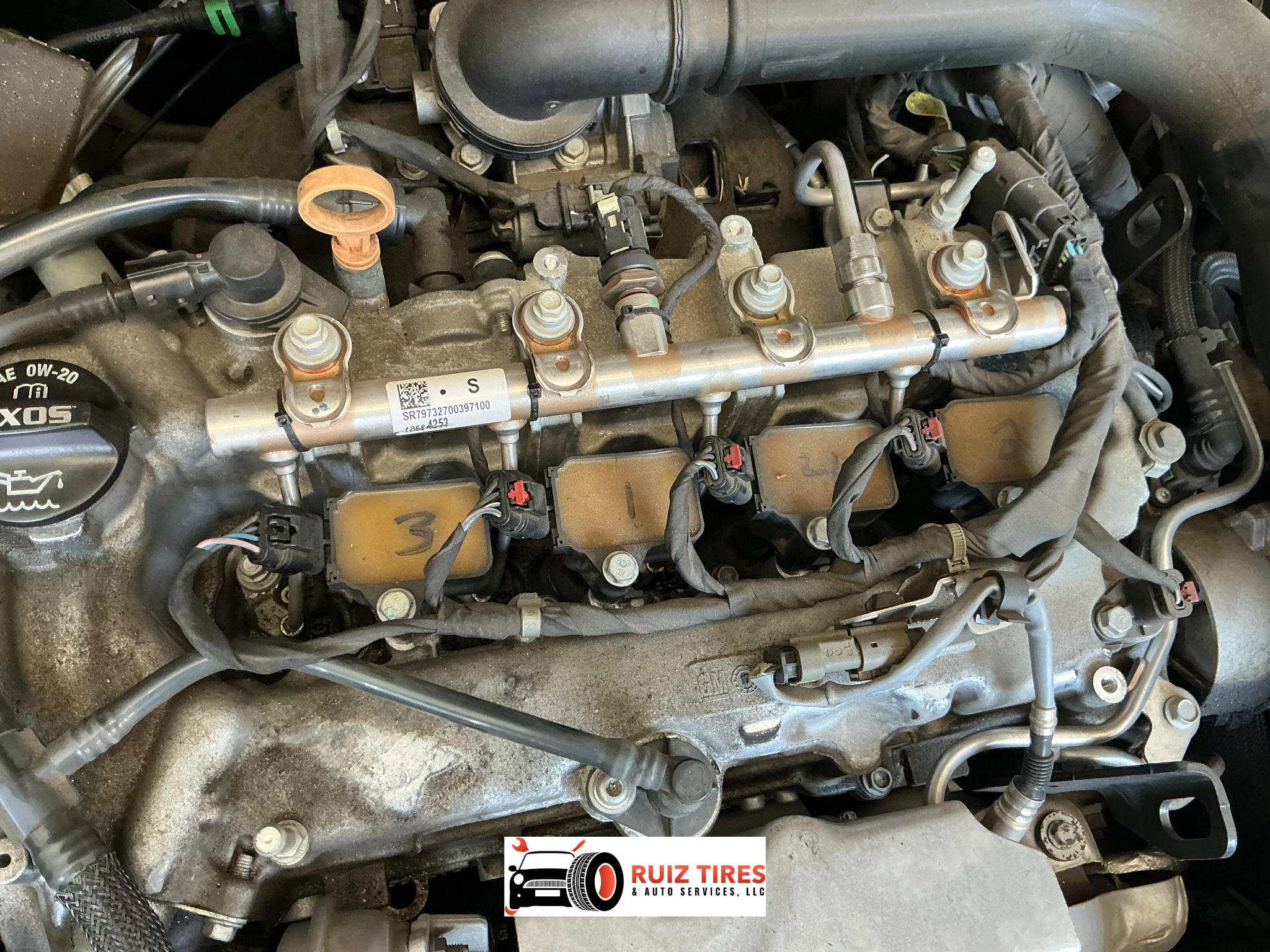
Spark plugs ignite the air-fuel mixture inside the engine. If they are worn, fouled, or damaged, combustion becomes less efficient and the engine may misfire. That can show up as hesitation during acceleration, rough idle, lower fuel economy, and hard starts. In many vehicles, spark plug issues become more noticeable under load, such as climbing hills or passing another car.
Clogged fuel injectors or weak fuel delivery
Fuel injectors spray a fine mist of fuel into the combustion chamber. Over time, deposits can block the spray pattern or reduce fuel flow, which leads to rough running and weak throttle response. A weak fuel pump or restricted fuel filter can create similar symptoms by limiting fuel pressure. If the engine feels starved for power, fuel delivery should be part of the diagnosis.
Vacuum leaks and air intake problems
Engines need a precise air-to-fuel ratio, and even a small vacuum leak can throw that balance off. Cracked hoses, loose clamps, damaged intake boots, or leaking gaskets can allow unmetered air into the system. That extra air confuses sensor readings and can make the engine idle roughly or accelerate poorly. Vacuum issues are common, yet they are often overlooked until a proper inspection is performed.
Sensor faults and computer input errors
Today’s engines rely on sensors to measure airflow, oxygen levels, throttle position, engine temperature, and more. When one of these sensors sends bad data, the engine computer may respond by adjusting fuel and timing incorrectly. That can lead to sluggish acceleration, stalling, or unstable idle speed. A diagnostic scan is often the best way to identify this kind of problem accurately.
Warning Signs You Should Not Ignore
Shaking at stoplights or in park
If your car vibrates more than usual while idling, the engine may be running unevenly. Sometimes the shaking is mild and intermittent, but it can gradually worsen as the problem develops. Drivers often assume it is just age or weather, but rough idle is usually a clue that something is out of balance. The sooner you investigate, the better your chances of avoiding larger repairs.
Lag when you press the accelerator
Acceleration lag can feel like the car pauses before it finally responds. That delay may happen when merging, passing, or pulling away from a stop. It is especially concerning if the hesitation is new or if it happens consistently under the same conditions. Drivers who notice this symptom should also pay attention to warning lights and fuel economy changes.
Stalling, surging, or rough shifting
Some engine problems affect more than idle quality and acceleration. You may also notice the vehicle surging forward, stumbling during gear changes, or stalling at low speeds. These symptoms can signal issues with fuel delivery, ignition, airflow, or even transmission load. If the problem is accompanied by dashboard warnings, professional diagnostics become even more important.
Smell, smoke, or increased fuel use
Fuel or exhaust smells, dark smoke from the tailpipe, and poor gas mileage can all support the diagnosis of an engine problem. A rich fuel mixture, misfire, or sensor failure may increase consumption and reduce efficiency. If you are filling up more often without changing your driving habits, it is worth having the vehicle inspected. You can also compare the issue to related symptoms in our post on when a check engine light should never be ignored.
How Professionals Diagnose the Problem
Starting with scan data and code retrieval
The first step in a proper diagnosis is usually an OBD-II scan. Diagnostic trouble codes can point technicians toward the system most likely causing the issue, such as misfires, fuel trim errors, or sensor malfunctions. But codes alone do not tell the whole story. They are a starting point, not a final answer.
Inspecting the basics before replacing parts
Skilled technicians look for obvious issues first, including cracked hoses, loose electrical connectors, dirty air filters, worn ignition components, and fuel pressure problems. This step matters because it prevents unnecessary part swapping. A careful inspection can save time and money by identifying the true source of the issue instead of masking the symptoms temporarily.
Testing fuel, spark, and airflow
Once the basics are checked, the shop may test fuel pressure, injector performance, ignition output, and airflow readings. These tests help confirm whether the engine is getting the right amount of fuel and air at the right time. If one system is operating outside normal range, the technician can narrow down the repair plan. This is where experience and good diagnostic tools make a major difference.
Why a full diagnostic is better than guessing
Replacing parts without testing can become expensive quickly. For example, a rough idle might seem like a spark plug issue, but the actual cause could be a vacuum leak or a failing sensor. Professional diagnostics reduce guesswork and increase the chance of a correct first repair. If your vehicle is showing multiple symptoms, scheduling a thorough inspection through our auto repair services is often the most efficient path forward.
What Happens If You Keep Driving Too Long
Damage can spread to other components
Ignoring poor acceleration or rough idling can allow a small issue to affect other systems. A persistent misfire may overheat the catalytic converter, which is expensive to replace. A fuel problem can put strain on the pump, injectors, and emissions equipment. In some cases, a small repair that could have been handled early turns into a much larger service bill.
Safety risks increase in real driving conditions
Loss of power can be dangerous if it happens while merging, turning left, or entering traffic. Rough idle may also lead to stalling at intersections or in parking lots, where you need the vehicle to respond instantly. Even if the car still moves, the risk of unexpected failure makes the condition more serious than many drivers realize. Safety should always come before convenience.
Fuel economy and reliability take a hit
When the engine is not running efficiently, you often pay for it at the pump. Poor combustion and incorrect sensor data can both increase fuel use. At the same time, the vehicle may become less reliable for daily commuting, school runs, or work travel. That combination can create stress and inconvenience long before the car actually breaks down.
Simple Checks You Can Do Before You Visit a Shop
Look for obvious warning lights and fluid issues
Before heading to the shop, note whether the check engine light is on, flashing, or staying off entirely. Also look for visible leaks under the vehicle, low fluid levels, or unusual odors. These clues can help a technician focus on the most likely systems. Even a few details can make the diagnostic process faster and more accurate.
Pay attention to when the symptom happens
Try to notice whether the issue happens only when the engine is cold, only at idle, only during hard acceleration, or all the time. Timing matters because it can point to different causes. A cold-start rough idle may suggest one problem, while hesitation only under load may suggest another. Writing down the pattern can be extremely helpful during an inspection.
Do not clear codes before getting help
It can be tempting to reset warning lights with a scanner or battery disconnect, but that can erase valuable diagnostic information. Technicians rely on stored codes and freeze-frame data to understand what happened when the fault occurred. Keeping that information intact often helps them identify the issue faster. If you want a repair plan that is based on evidence rather than guesses, preservation of data matters.
Maintenance Habits That Help Prevent These Problems
Stay on schedule with tune-up items
Routine maintenance is one of the best ways to prevent acceleration and idle issues. Spark plugs, air filters, fuel system service, and fluid checks all play a role in engine performance. The older your vehicle gets, the more important it becomes to stay proactive. Preventive care helps protect both drivability and long-term value.
Use quality fuel and monitor driving patterns
Consistent fuel quality and sensible driving habits can support smoother engine operation. Frequent short trips, heavy stop-and-go traffic, and infrequent oil changes can all contribute to buildup and wear. If you regularly drive in demanding conditions, your service intervals may need extra attention. That is one reason drivers often combine repairs with scheduled maintenance rather than waiting for something to fail.
Keep an eye on tires and related systems
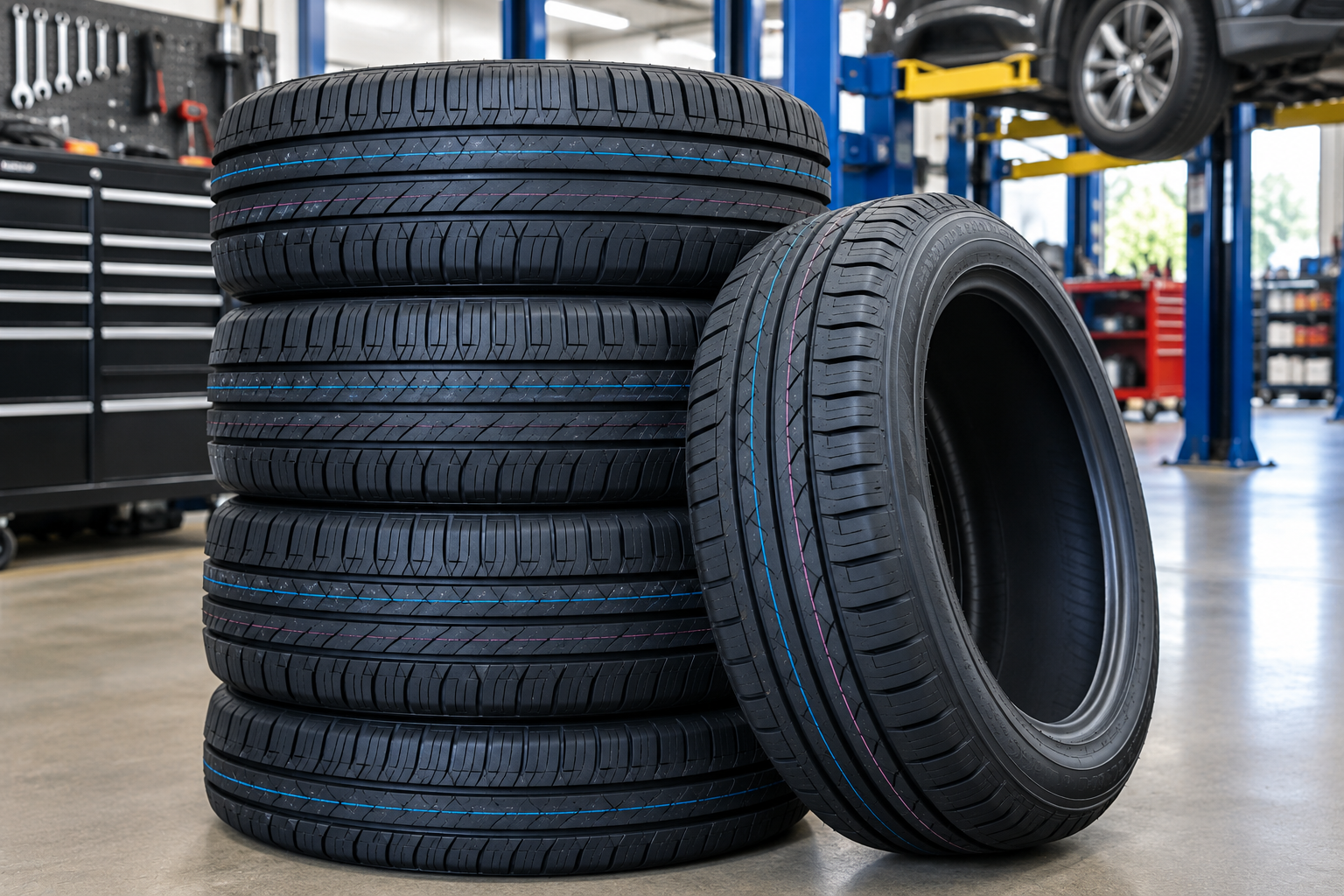
While tires do not directly cause a rough idle, poor tire condition can make vehicle problems feel worse by adding vibration, noise, or handling issues. A car that already feels underpowered can seem even less stable if tire maintenance is neglected. For more context on that connection, see our article on tire maintenance tips for safer driving. A well-rounded maintenance plan supports the whole vehicle, not just the engine.
Schedule seasonal inspections
Seasonal changes can affect battery strength, hose condition, oil viscosity, and engine performance. A pre-trip or seasonal inspection can identify small wear items before they turn into drivability complaints. This is especially useful before long road trips or periods of heavy commuting. For a practical checklist, our road trip car prep guide can help you plan ahead.
Fleet and High-Mileage Vehicles Need Extra Attention
Why commercial vehicles show symptoms sooner
Fleet vehicles and high-mileage daily drivers spend more time on the road and under load. That increases wear on ignition parts, fuel components, mounts, and sensors. When one vehicle is used for business, downtime can also affect scheduling and productivity. For that reason, fleet managers benefit from catching rough idle and acceleration problems early.
Service records help prevent repeat failures
Detailed maintenance records can reveal patterns, such as a recurring injector issue or a part that fails after a certain mileage interval. That information helps technicians make smarter recommendations and helps business owners budget more effectively. If your company depends on reliable transportation, fleet services can provide scheduled support designed to reduce surprises. Preventive planning is usually less expensive than emergency downtime.
Consistency matters more than luck
Some vehicles seem to run fine for a long time and then fail suddenly, but that does not mean the warning signs were absent. Often, drivers were just busy enough to overlook them. A consistent inspection and maintenance routine is the best way to preserve dependability. That is true for family vehicles, service vans, delivery units, and work trucks alike.
FAQ: Poor Acceleration and Rough Idling
Can bad gas cause rough idle or hesitation?
Yes, contaminated or poor-quality fuel can contribute to drivability issues. It may not be the only cause, but it can affect combustion and sensor readings. If symptoms began soon after filling up, mention that to your technician. Fuel-related clues can be valuable during diagnosis.
Is it safe to drive with rough idling?
Sometimes a vehicle with mild rough idle can still be driven short distances, but that does not mean it is safe to ignore. If the idle becomes unstable, the engine stalls, or the check engine light flashes, driving should be limited. A professional inspection is the safest next step.
Will a tune-up always fix the issue?
Not always. A tune-up can solve problems caused by worn ignition parts or maintenance neglect, but it will not fix every cause of poor acceleration. Sensors, vacuum leaks, fuel system faults, and mechanical issues may require different repairs. That is why testing matters before replacing parts.
How quickly should I schedule service?
If the symptom is new, worsening, or paired with warning lights, schedule service as soon as possible. Waiting often leads to more extensive damage and higher repair costs. Early intervention is one of the most effective ways to protect both your engine and your budget.
When to Get Professional Help
Signs it is time to stop guessing
If your car has persistent hesitation, rough idle, stalling, or a noticeable drop in power, it is time to let a technician diagnose it. You should also seek help if the problem appears after recent work, after fueling up, or after a long period without maintenance. The sooner you narrow down the cause, the better the outcome usually is.
What a trusted shop can provide
A good repair shop does more than replace parts. It provides testing, honest recommendations, and a repair plan that matches the actual problem. That approach saves time and helps you avoid repeat visits for the same issue. When you want dependable answers, a full diagnostic process is the right place to start.
Local help for drivers who need reliable answers
Ruiz Tires & Auto Services supports drivers who want clear communication, careful work, and practical solutions. Whether the concern is engine performance, preventive maintenance, or a broader drivability issue, the goal is to get you back on the road with confidence. If your vehicle has been acting differently lately, do not wait for the problem to get worse. Schedule an inspection, ask questions, and get ahead of the repair before it turns into a breakdown.
Conclusion: Listen to the Warning Before It Gets Worse
Poor acceleration and rough idling are more than annoyances. They are often your engine’s way of telling you that something important is not working the way it should. The causes can range from simple maintenance issues to fuel, ignition, airflow, or sensor problems. The good news is that early diagnosis can often prevent bigger repairs and restore confidence behind the wheel.
If your vehicle has started to feel sluggish, shaky, or inconsistent, take the symptoms seriously. Watch for warning lights, note when the issue happens, and schedule a professional inspection before the damage spreads. A careful diagnosis today can save time, money, and stress tomorrow. For trusted support from a team focused on reliability and clear answers, reach out for service and let experienced technicians help you find the real cause.